WOVEN
Woven fabric garments combining structure, strength, and style.
Pigment Dye is a surface-coloration process using insoluble pigments fixed onto the garment with binders, creating a washed-down, vintage aesthetic.
Unlike true dye molecules, pigments do not chemically bond with fibers. They are mechanically bound through resin or binder systems during garment processing. This results in a soft, broken-in handfeel and characteristic high–low shading after repeated washing. Process control of binder percentage, curing temperature, and mechanical agitation is critical to achieve durability and desired wash-down effects.
Features:
- Produces a faded, vintage-inspired appearance
- Enhances garment softness and casual aesthetics
- Creates high–low effects along seams and stress points
- Suitable for cotton, blends, and fleece fabrics
- Limited wash fastness compared to reactive or vat dyes
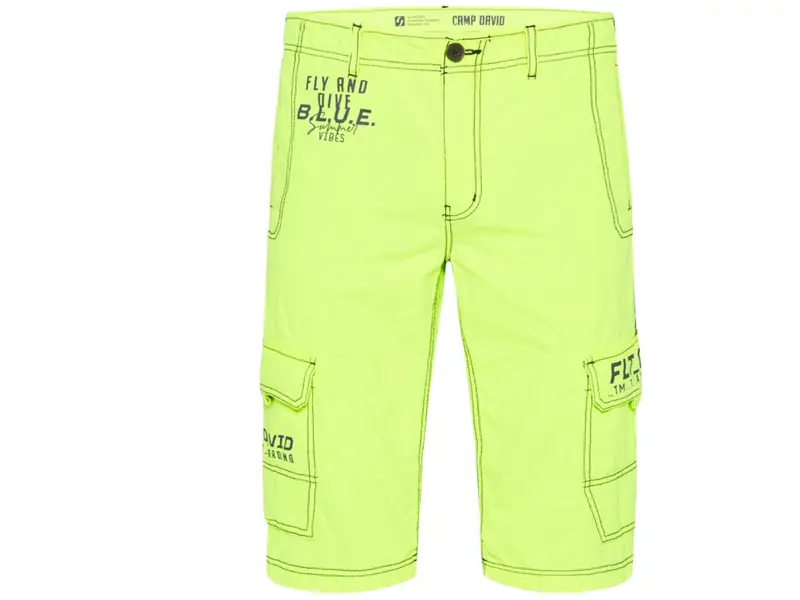
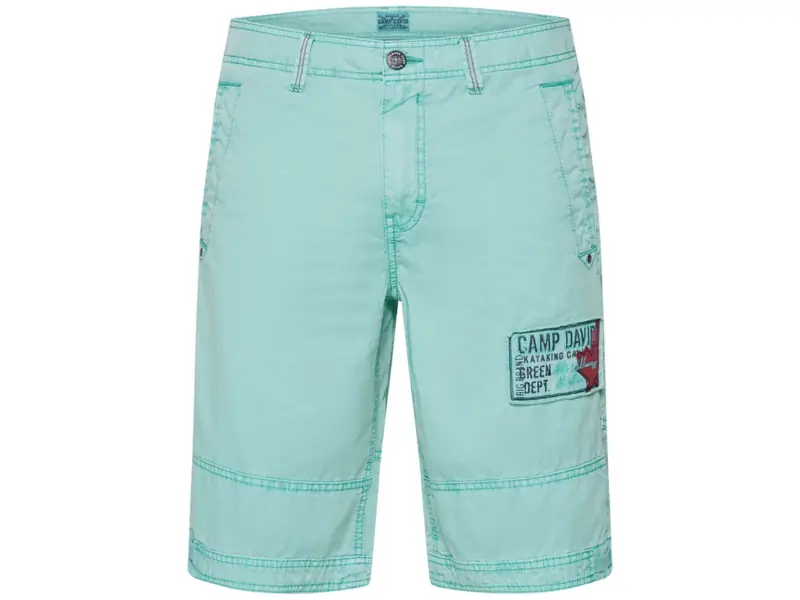
Reactive Dye is a fiber-reactive coloration process that forms covalent bonds with cellulosic fibers, ensuring excellent color fastness and brightness.
During dyeing, reactive groups of the dye chemically react with hydroxyl groups of cotton or cellulosics under controlled alkali and temperature conditions. This strong chemical fixation provides superior wash and light fastness compared to pigment or sulfur systems. Reactive dyeing is widely used for garments requiring solid, bright, and durable shades, especially in casualwear and lifestyle products.
Features:
- Produces brilliant and uniform shades
- Excellent wash, sweat, and light fastness
- Strong covalent bonding ensures long-term durability
- Suitable for cotton, viscose, and other cellulosics
- Wide shade gamut, including pastels and brights